One person moves through rights, services, cities and markets. The systems have to connect too.
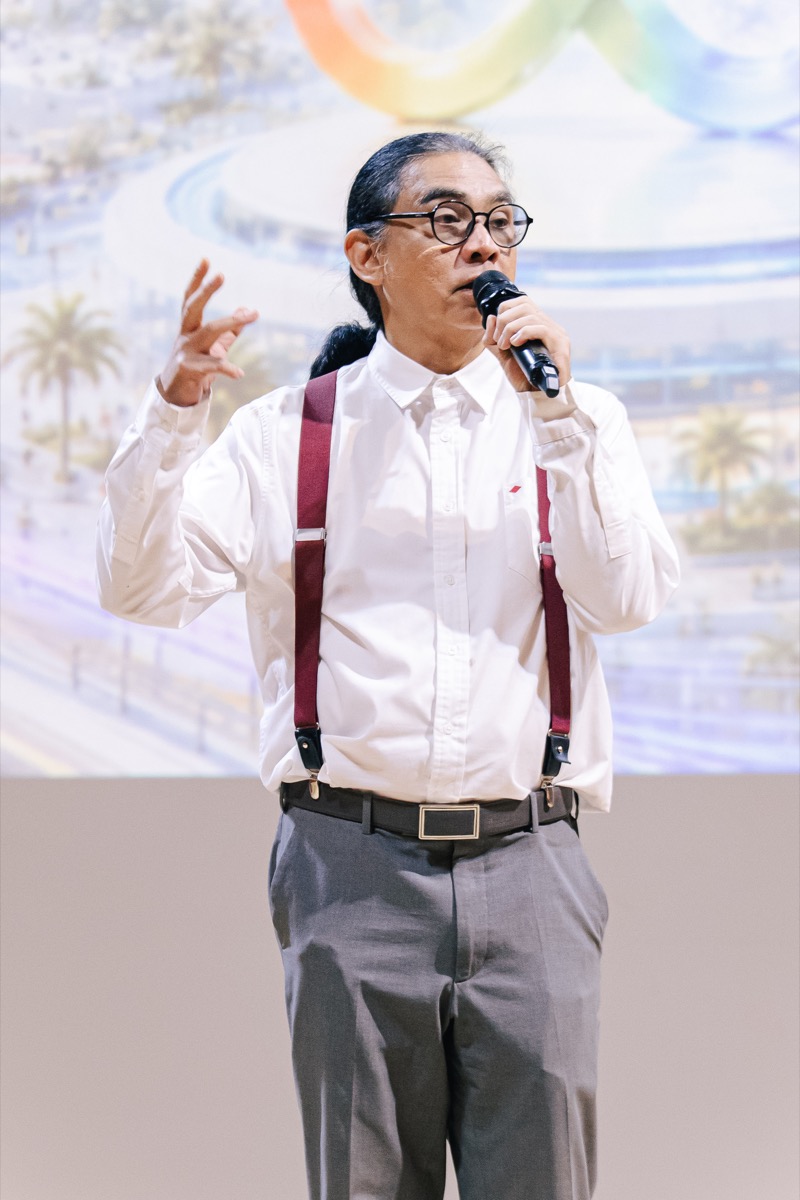
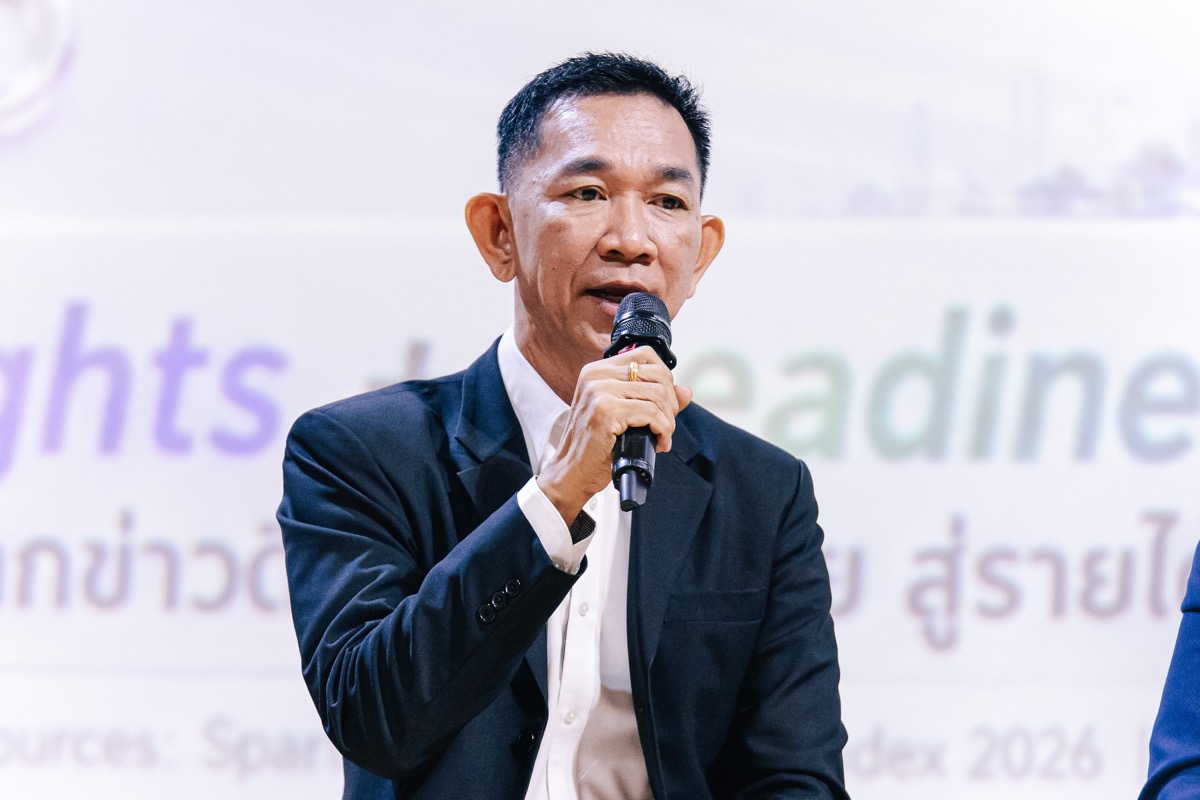
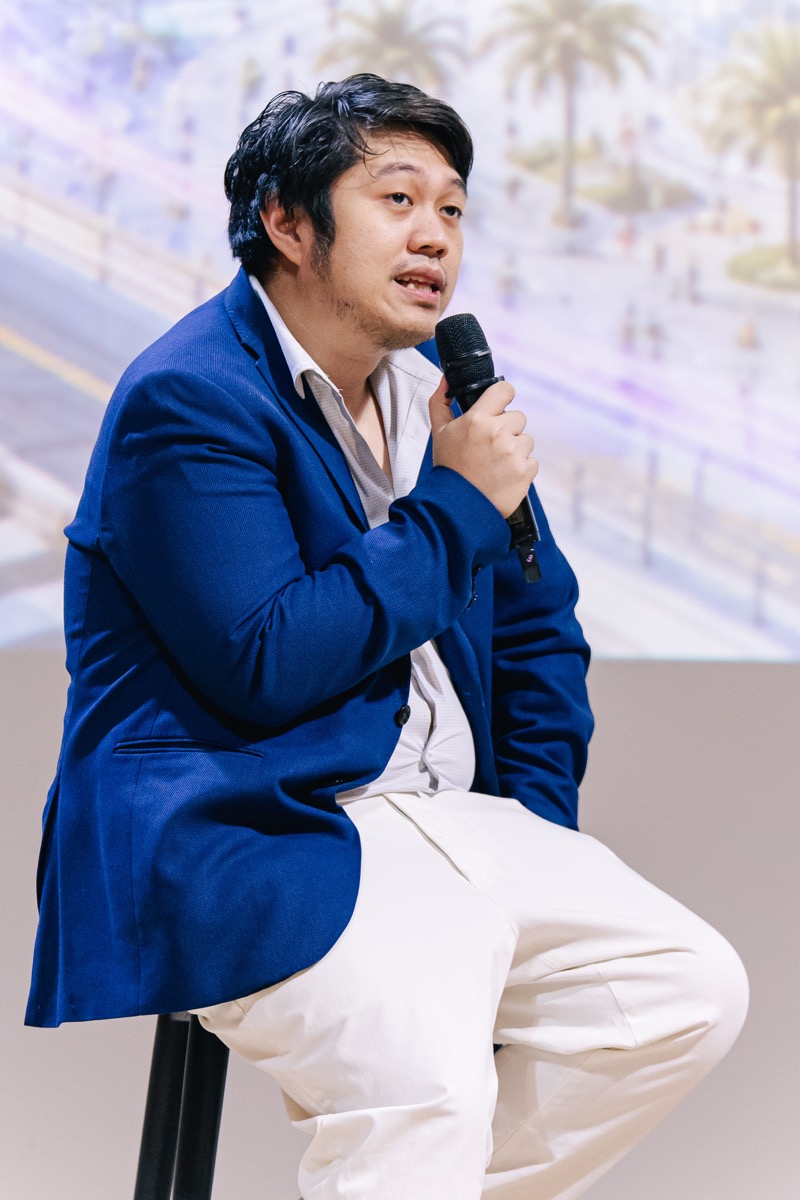
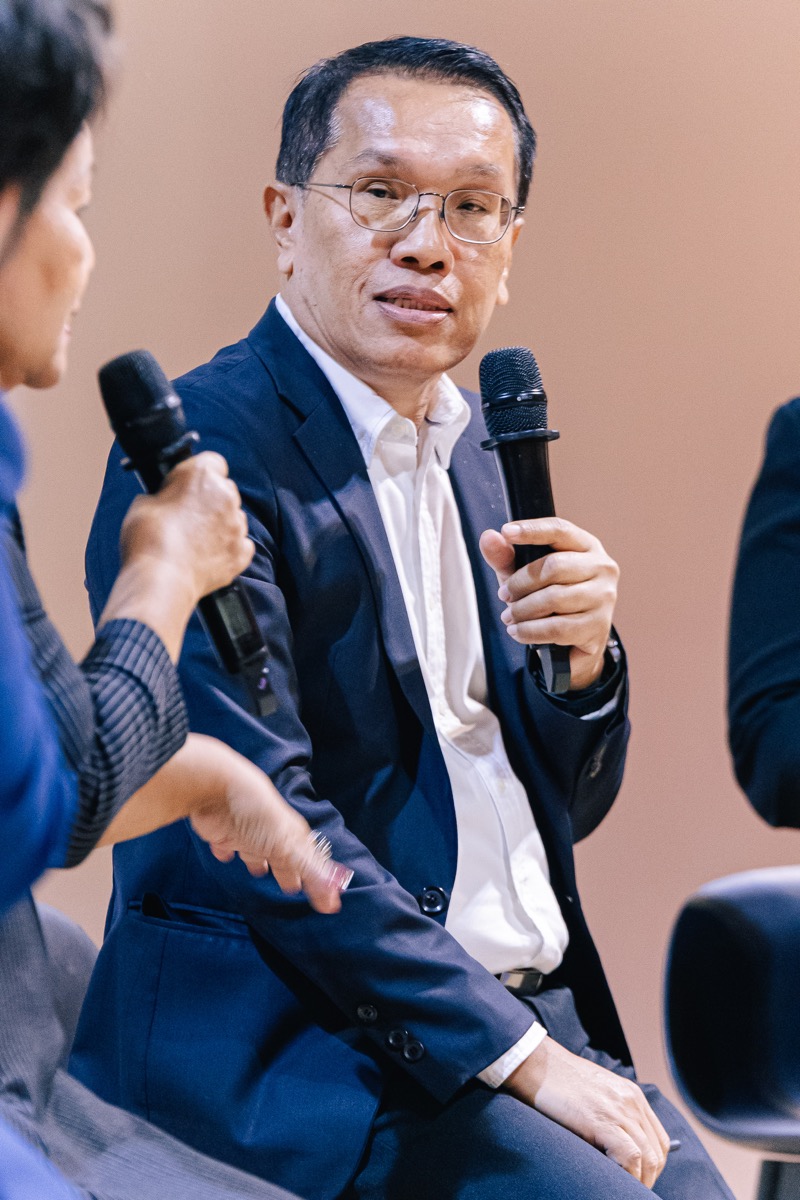
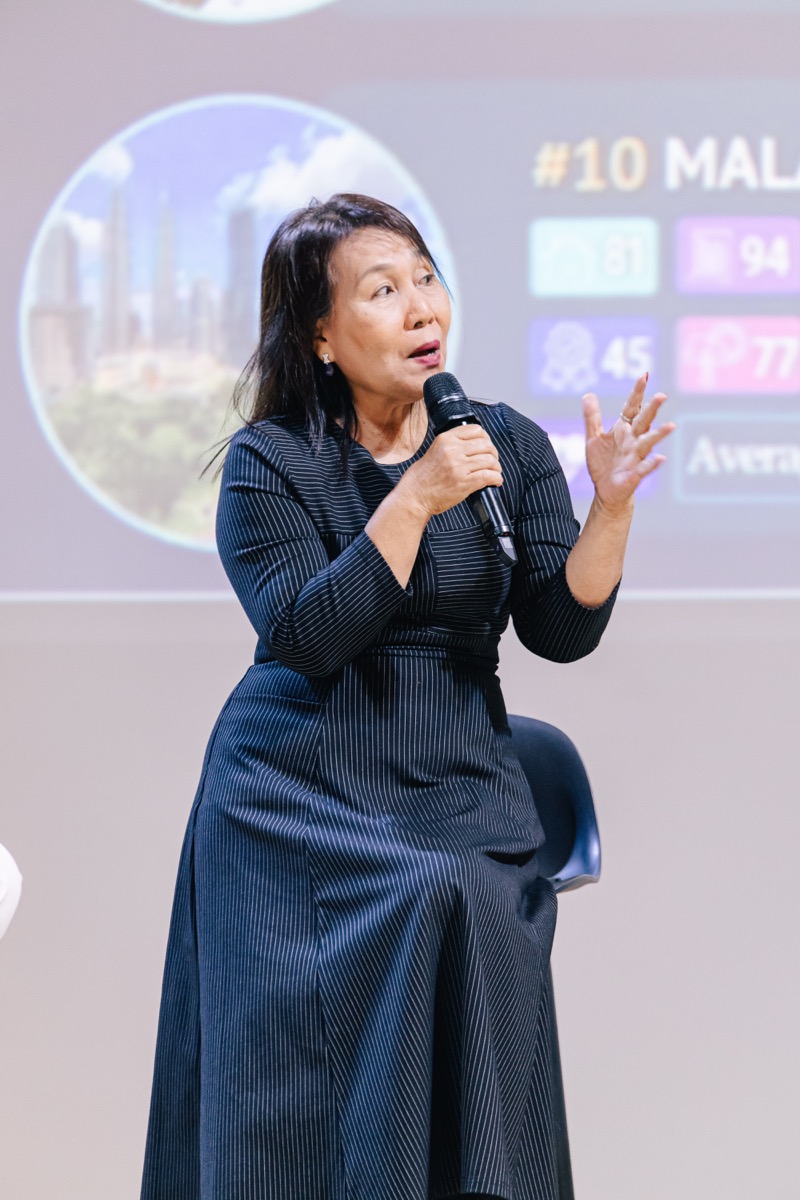
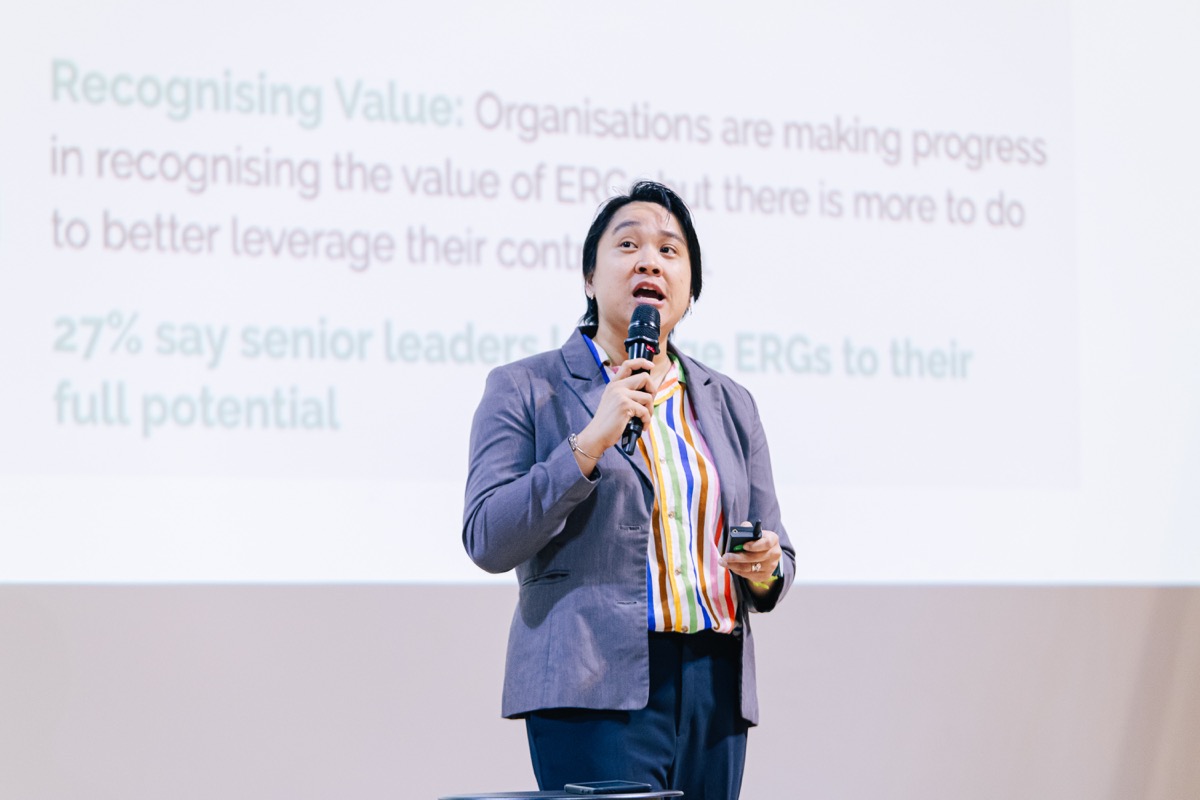
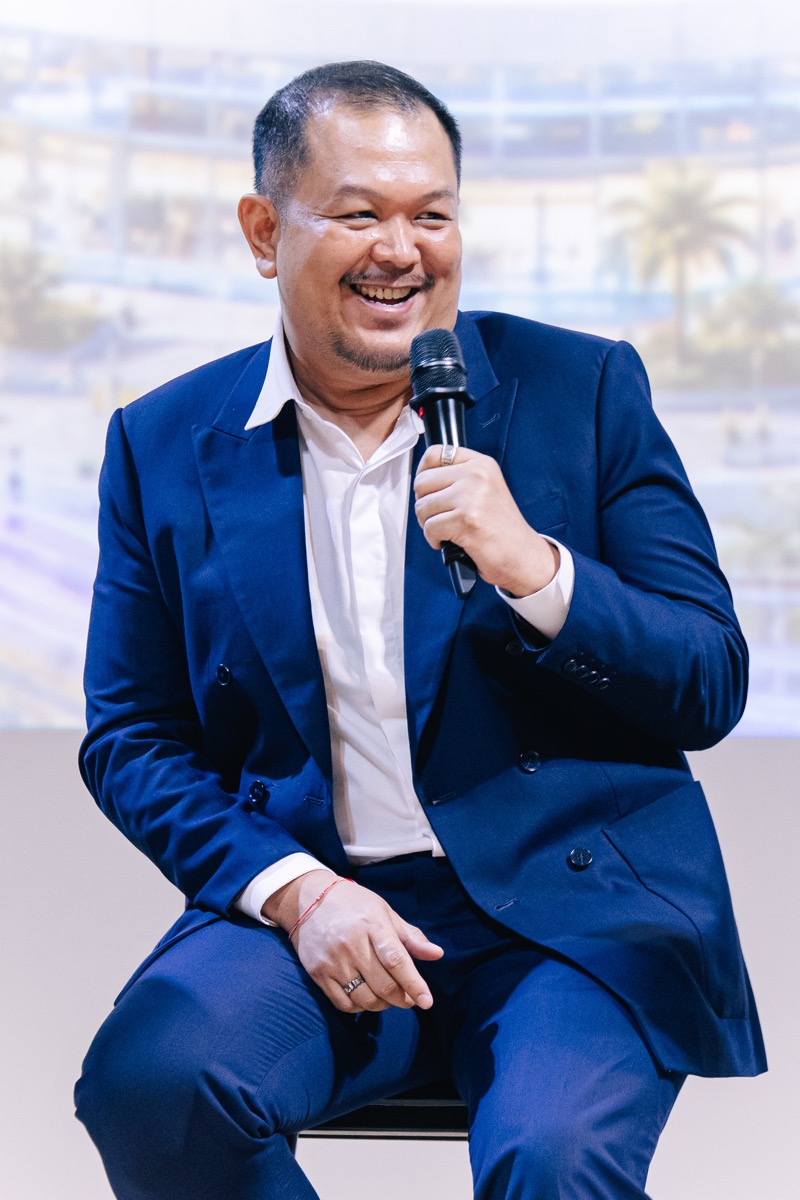
The Forum brought public policy, politics, community, academia, telecommunications, hospitality, tourism, real estate, workplace networks, nightlife, pageants and creators into one conversation. That mix was deliberate: no single organisation delivers an entire life, trip or customer journey.
The conversation shifted the question from “How big can Pride become?” to “What still has to work after the event ends?” That is where legal recognition, forms, transport, booking, frontline service, contracts and payment begin to appear as one connected economic system.
If one link fails, value stops there: a right exists but the transaction fails; a city attracts visitors but the trip back is difficult; a local offer exists but has no price or booking channel; a creator creates demand but the terms of payment remain unclear.
The economic test after the Forum
Rights in use
People complete real transactions without having to explain or renegotiate their rights.
Services people can book
An offer has a clear price, schedule, capacity, booking path and accountable delivery.
People doing the work are paid
Fees, commissions, usage rights and payment dates are agreed rather than replaced by visibility.
The city can see where value flows
Bookings, income, repeat visits and unresolved friction show who benefits after the event.